Walter Willett
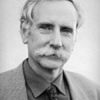
Walter Willett
Walter Willett, M.D., Dr.P.H.is an American physician and nutrition researcher. Currently, Willett is the Fredrick John Stare Professor of Epidemiology and Nutrition and the chair of the department of nutrition at Harvard School of Public Health. He is also a professor of medicine at Harvard Medical School...
poison fats trans
Trans fats really are a metabolic poison.
strong heart vegetables
The evidence that folic acid reduces the risk of heart disease is pretty strong. [...] And fruits and vegetables are a major source of folic acid.
inspirational strong cancer
With breast cancer, nothing is straightforward. It makes sense for most people to make their dietary decisions based on what it does for heart disease. That's where the data are most strong.
vegetables risk fruit
There's a lot of evidence that fruits and vegetables are beneficial for reducing the risk of stroke.
heart risk disease
We see clear evidence repeated in many studies that higher intake of trans fats is associated with higher risk of heart disease, and with many other conditions, such as diabetes and infertility.
impact make-or-break kind
No single food will make or break good health. But the kinds of food you choose day in and day out have a major impact.
vegetables play risk
A diet rich in fruits and vegetables plays a role in reducing the risk of all the major causes of illness and death
zero vegetarianism data
If you step back and look at the data, the optimum amount of red meat you eat should be zero.
blood diet drives good heart increase problems risk
One of the problems with a low-fat diet is that it actually drives down the good cholesterol -- the HDL -- in our blood (and that) ... will probably increase the risk of heart disease,
both current found hormones increased recent risk studies study users
In general, it's been found -- both in this study and other studies -- that it's really (women who are) current or recent users of hormones who have an increased risk of breast cancer.
blood bring high pressure raises risk treatment
Treatment doesn't bring back the risk to that of someone without hypertension, ... High blood pressure raises the risk threefold and treatment reduces it by 25 percent.