Willa Cather
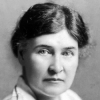
Willa Cather
Willa Sibert Catherwas an American author who achieved recognition for her novels of frontier life on the Great Plains, including O Pioneers!, The Song of the Lark, and My Ántonia. In 1923 she was awarded the Pulitzer Prize for One of Ours, a novel set during World War I...
NationalityAmerican
ProfessionNovelist
Date of Birth7 December 1873
CountryUnited States of America
too-much too-much-information information
Too much information is rather deadening.
people happy-people deals
Happy people do a great deal for their friends.
writing office world
Your vivid, exciting companionship in the office must not be your audience, you must find your own quiet center of life, and write from that to the world.
eye flesh spirit
When the eyes of the flesh are shut, the eyes of the spirit are open.
rain paris hard
Paris is a hard place to leave, even when it rains incessantly and one coughs continually from the dampness.
hands quality intimate
The irregular and intimate quality of things made entirely by the human hand.
men wife needs
The trouble is you almost have to marry a man before you can find out the sort of wife he needs; and usually it's exactly the sort you are not.
heart alive earth
The heart, when it is too much alive, aches for that brown earth, and ecstasy has no fear of death.
eye air blue
The air was cool enough to make the warm sun pleasant on one's back and shoulders, and so clear that the eye could follow a hawk up and up, into the blazing blue depths of the sky.
imaginative personal-life
Personal life becomes paler as the imaginative life becomes richer.
country thinking people
People always think the bread of another country is better than their own.
book writing kind
Nothing mattered ... but writing books, and living the kind of life that made it possible to write them.
summer book garden
One summer evening in the year 1848, three Cardinals and a missionary were dining together in the gardens of a villa in the Sabine hills, overlooking Rome.
book men air
Late one brilliant April afternoon Professor Lucius Wilson stood at the head of Chestnut Street, looking about him with the pleased air of a man of taste who does not very often get to Boston.