William Cowper
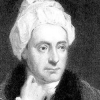
William Cowper
William Cowper was an English poet and hymnodist. One of the most popular poets of his time, Cowper changed the direction of 18th century nature poetry by writing of everyday life and scenes of the English countryside. In many ways, he was one of the forerunners of Romantic poetry. Samuel Taylor Coleridge called him "the best modern poet", whilst William Wordsworth particularly admired his poem Yardley-Oak. He was a nephew of the poet Judith Madan...
NationalityEnglish
ProfessionPoet
Date of Birth26 November 1731
drawing dropping empty growing toil
From reveries so airy, from the toil / Of dropping buckets into empty wells, / And growing old in drawing nothing up.
known lost seek truth whatsoever
For 'tis a truth well known to most, That whatsoever thing is lost We seek it, ere it come to light, In every cranny but the right
beneath blood drawn filled fountain guilty lose
There is a fountain filled with blood / Drawn from Emmanuel's veins; / And sinners, plunged beneath that flood, / Lose all their guilty stains.
home dunces has-beens
How much a dunce that has been sent to roam, excels a dunce that has been kept at home.
sweet flower bud
The bud may have a bitter taste, But sweet will be the flower.
man strive
But strive still to be a man before your mother.
beast gone laid
But the sea-fowl has gone to her nest, / The beast is laid down in his lair.
both easier eyes follow foolish
To follow foolish precedents, and winkWith both our eyes, is easier than to think.
mean mind subject
To dally much with subject mean and lowProves that the mind is weak, or makes it so.
kissed likewise maid seemed
He kissed likewise the maid in the kitchen, and seemed upon the whole a most loving, kissing, kind-hearted gentleman.
face nose
He would not, with a peremptory tone,Assert the nose upon his face his own.
dares safety
He that dares traduce, because he can with safety to himself, is not a man.
fear hope
He has no hope that never had a fear.
both equals fame milton rome sound thy
Greece, sound thy Homer's, Rome thy Virgil's name, / But England's Milton equals both in fame.