William Hazlitt
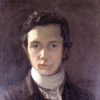
William Hazlitt
William Hazlittwas an English writer, drama and literary critic, painter, social commentator, and philosopher. He is now considered one of the greatest critics and essayists in the history of the English language, placed in the company of Samuel Johnson and George Orwell. He is also acknowledged as the finest art critic of his age. Despite his high standing among historians of literature and art, his work is currently little read and mostly out of print...
NationalityEnglish
ProfessionCritic
Date of Birth10 April 1778
baffling chiefly consists expectation
The are of will-making chiefly consists in baffling the importunity of expectation.
cannot errors lasting ourselves
It is not the errors of others, but our own miscalculations, on which we wreak our lasting vengeance. It is ourselves that we cannot forgive.
allowed counting distance leisure march simple steps
Surely, nothing is more simple than Time. His march is straightforward; but we should have leisure allowed us to look back upon the distance we have come, and not be counting his steps every moment.
body clear held mind obvious therefore
The accomplishments of the body are obvious and clear to all: those of the mind are recondite and doubtful, and therefore grudgingly acknowledged, or held up as the sport of prejudice, spite, and folly.
eagerness learning
That which any one has been long learning unwillingly, he unlearns with proportional eagerness and haste.
against beware branded degrading exercise idol liable power render rests themselves turns
The power rests with the multitude, but let them beware how the exercise of it turns against their own rights! It is not the idol but the worshippers that are to be dreaded, and who, by degrading one of their fellows, render themselves liable to be branded with the same indignities.
fewer good immediate impression judge less men objects truly women
Women have often more of what is called good sense then men. They have fewer pretensions; are less implicated in theories; and judge of objects more from their immediate and involuntary impression on the mind, and, therefore, more truly and naturally.
good repent
We as often repent the good we have done as the ill.
highest ill mankind perhaps wisdom wish
To think ill of mankind, and not to wish ill to them, is perhaps the highest wisdom and virtue.
admiration breed edge takes though
Though familiarity may not breed contempt, it takes the edge off admiration
absent account afterwards anywhere borrow destiny forget fulfil gave life objects painful recall spend themselves ties travelling wish
Those who wish to forget painful thoughts, do well to absent themselves for a while from the ties and objects that recall them; but we can be said only to fulfil our destiny in the place that gave us birth. I should on this account like well enough to spend the whole of my life in travelling abroad, if I could anywhere borrow another life to spend afterwards at home!
cold dull feelings glad impart man neither nor others pleasure share thoughts topic
We are cold to others only when we are dull in ourselves, and have neither thoughts nor feelings to impart to them. Give a man a topic in his head, a throb of pleasure in his heart, and he will be glad to share it with the first person he meets.
cease manner until
We never do anything well until we cease to think about the manner of doing it
english-critic gives millions
The least pain in our little finger gives us more concern and uneasiness than the destruction of millions of our fellow-beings.