William Hazlitt
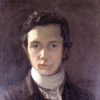
William Hazlitt
William Hazlittwas an English writer, drama and literary critic, painter, social commentator, and philosopher. He is now considered one of the greatest critics and essayists in the history of the English language, placed in the company of Samuel Johnson and George Orwell. He is also acknowledged as the finest art critic of his age. Despite his high standing among historians of literature and art, his work is currently little read and mostly out of print...
NationalityEnglish
ProfessionCritic
Date of Birth10 April 1778
actual alone ignorance monsters
Ignorance alone makes monsters or bug-bears; our actual acquaintances are all very common-place people.
ignorance knowledge science
The origin of all science is the desire to know causes, and the origin of all false science is the desire to accept false causes rather than none; or, which is the same thing, in the unwillingness to acknowledge our own ignorance.
ignorance conversation former
There are many who talk on from ignorance rather than from knowledge, and who find the former an inexhaustible fund of conversation.
ignorance evil world
The ignorance of the world leaves one at the mercy of its malice.
ignorance proportion insolence
The insolence of the vulgar is in proportion to their ignorance. They treat everything with contempt which they do not understand.
book ignorance people
I maintain that there is no common language or medium of understanding between people of education and without it - between those who judge of things from books or from their senses. Ignorance has so far the advantage over learning; for it can make an appeal to you from what you know; but you cannot re-act upon it through that which it is a perfect stranger to. Ignorance is, therefore, power.
ignorance mind prejudice
Vulgar prejudices are those which arise out of accident, ignorance, or authority; natural prejudices are those which arise out of the constitution of the human mind itself.
education children ignorance
Prejudice is the child of ignorance.
art real ignorance
Wonder at the first sight of works of art may be the effect of ignorance and novelty; but real admiration and permanent delight in them are the growth of taste and knowledge.
cannot errors lasting ourselves
It is not the errors of others, but our own miscalculations, on which we wreak our lasting vengeance. It is ourselves that we cannot forgive.
allowed counting distance leisure march simple steps
Surely, nothing is more simple than Time. His march is straightforward; but we should have leisure allowed us to look back upon the distance we have come, and not be counting his steps every moment.
body clear held mind obvious therefore
The accomplishments of the body are obvious and clear to all: those of the mind are recondite and doubtful, and therefore grudgingly acknowledged, or held up as the sport of prejudice, spite, and folly.
baffling chiefly consists expectation
The are of will-making chiefly consists in baffling the importunity of expectation.
eagerness learning
That which any one has been long learning unwillingly, he unlearns with proportional eagerness and haste.