William Penn
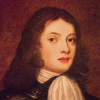
William Penn
William Penn24 October 1644 – 30 July 1718) was an English real estate entrepreneur, philosopher, early Quaker and founder of the Province of Pennsylvania, the English North American colony and the future Commonwealth of Pennsylvania. He was an early advocate of democracy and religious freedom, notable for his good relations and successful treaties with the Lenape Native Americans. Under his direction, the city of Philadelphia was planned and developed...
NationalityEnglish
ProfessionPolitician
Date of Birth14 October 1644
CityLondon, England
To do evil that good may come of it is for bunglers in politics as well as mortals
To do evil that good may come of it is for bunglers in politics as well as morals.
If thou wouldst conquer thy weakness, thou must never gratify it. No man is compelled to evil: his consent only makes it his. It is no sin to be tempted, but to be overcome.
To be innocent is to be not guilty; but to be virtuous is to overcome our evil inclinations.
God is better served in resisting a temptation to evil than in many formal prayers.
Covetousness is the greatest of monsters, as well as the root of all evil.
Children, Fear God; that is to say, have an holy awe upon your minds to avoid that which is evil, and a strict care to embrace and do that which is good.
A good End cannot sanctify evil Means; nor must we ever do Evil, that Good may come of it.
If it be an evil to judge rashly or untruly any single man, how much a greater sin it is to condemn a whole people.
Truth often suffers more by the heat of its defenders than from the arguments of its opposers
Those who would mend the world must first mend themselves.
He that lives to live forever, never fears dying.
If thou wouldst conquer thy weakness, thou must never gratify it.
Friendship . . . is an Union of Spirits, a Marriage of Hearts, and the Bond thereof Vertue.