Aeschylus
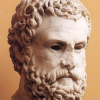
Aeschylus
Aeschyluswas an ancient Greek tragedian. His plays, alongside those of Sophocles and Euripides, are the only works of Classical Greek literature to have survived. He is often described as the father of tragedy: critics and scholars' knowledge of the genre begins with his work, and understanding of earlier tragedies is largely based on inferences from his surviving plays. According to Aristotle, he expanded the number of characters in theater to allow conflict among them, whereas characters previously had interacted only...
NationalityGreek
ProfessionPoet
time aging all-things
Time in his aging overtakes all things alike.
strong memories writing
For there below ground sits the Dark God, strong to call men to judgment; he sees all, and writes it in his memory.
adversity light track
Misfortune wandering the same track lights now upon one and now upon another.
heart blow wind
For in the voyage of the heart, there is a freight of hatred, and the wind of wrath blows shrill.
winning tears fortune
To make wail and lament for one's ill fortune, when one will win a tear from the audience, is well worthwhile.
fortune mortals fortunate
To be fortunate is God, and more than God to mortals.
eye knowing bed
For in pure maidens, knowing not the marriage-bed, the glance of the eyes sinks from shame.
clouds shadow passing
The seed of mortals broods o'er passing things, and hath nought surer than the smoke-cloud's shadow.
science numbers excellent
Number, the most excellent of all inventions.
men envy prosperity
In few men is it part of nature to respect a friend's prosperity without begrudging him.
fraud
From a just fraud God turneth not away.
ocean wave
Ye waves That o'er th' interminable ocean wreathe Your crisped smiles.
people great-power reports
Report uttered by the people is everywhere of great power.
evil sin young
The act of evil breeds others to follow, young sins in its own likeness.