Aeschylus
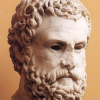
Aeschylus
Aeschyluswas an ancient Greek tragedian. His plays, alongside those of Sophocles and Euripides, are the only works of Classical Greek literature to have survived. He is often described as the father of tragedy: critics and scholars' knowledge of the genre begins with his work, and understanding of earlier tragedies is largely based on inferences from his surviving plays. According to Aristotle, he expanded the number of characters in theater to allow conflict among them, whereas characters previously had interacted only...
NationalityGreek
ProfessionPoet
missing-you pain memories
There is no pain so great as the memory of joy in present grief.
men mind decency
God's most lordly gift to man is decency of mind.
inspirational sympathy god
He who learns must suffer. And even in our sleep pain that cannot forget falls drop by drop upon the heart, and in our own despair, against our will, comes wisdom to us by the awful grace of God.
peace war fighting
In war, truth is the first casualty.
happiness positivity effort
Happiness is a choice that requires effort at times.
advice rebuke
to give advice and to rebuke the sufferer.
greek-poet mother obedience parent success
Obedience is the mother of success, and success the parent of salvation.
evil far ignorant rather wise
I would far rather be ignorant than wise in the foreboding of evil.
happiness prayer mind
But from the good health of the mind comes that which is dear to all and the object of prayer-happiness.
afraid education greek-poet learning sail
I'm not afraid of storms, for I'm learning to sail my ship.
wise believe pride
Search well and be wise, nor believe that self-willed pride will ever be better than good counsel.
men fire broken
When a man dies, flesh is frayed and broken in the fire, but not his will.
death war fields
The field of doom bears death as its harvest.
men self doe
Self-will in the man who does not reckon wisely is by itself the weakest of all things.