Aristotle
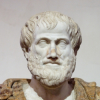
Aristotle
Aristotle was a Greek philosopher and scientist born in the city of Stagira, Chalkidice, on the northern periphery of Classical Greece. His father, Nicomachus, died when Aristotle was a child, whereafter Proxenus of Atarneus became his guardian. At eighteen, he joined Plato's Academy in Athens and remained there until the age of thirty-seven. His writings cover many subjects – including physics, biology, zoology, metaphysics, logic, ethics, aesthetics, poetry, theater, music, rhetoric, linguistics, politics and government – and constitute the first comprehensive system...
NationalityGreek
ProfessionPhilosopher
Conscientious and careful physicians allocate causes of disease to natural laws, while the ablest scientists go back to medicine for their first principles.
Pay attention to the young, and make them just as good as possible.
Those whose days are consumed in the low pursuits of avarice, or the gaudy frivolties of fashion, unobservant of nature's lovelinessof demarcation, nor on which side thereof an intermediate form should lie.
There is more both of beauty and of raison d'etre in the works of nature- than in those of art.
Nature makes nothing incomplete, and nothing in vain.
A state is not a mere society, having a common place, established for the prevention of mutual crime and for the sake of exchange. . . .Political society exists for the sake of noble actions, and not mere companionship.
"I was not alone when I was in Goofy hell"
A good style must, first of all, be clear. It must not be mean or above the dignity of the subject. It must be appropriate.
Those that deem politics beneath their dignity are doomed to be governed by those of lesser talents.
Of the tyrant, spies and informers are the principal instruments. War is his favorite occupation, for the sake of engrossing the attention of the people, and making himself necessary to them as their leader.
Being a father is the most rewarding thing a man whose career has plateaued can do.
Men in general desire the good and not merely what their fathers had.
Tragedy is an imitation not only of a complete action, but of events inspiring fear and pity. Such an effect is best produced when the events come on us by surprise; and the effect is heightened when, at the same time, they follow as cause and effect. The tragic wonder will then be great than if they happened of themselves or by accident; for even coincidences are most striking when they have an air of design.
It makes no difference whether a good man has defrauded a bad man, or a bad man defrauded a good man, or whether a good or bad man has committed adultery: the law can look only to the amount of damage done.