Aristotle
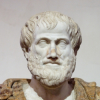
Aristotle
Aristotle was a Greek philosopher and scientist born in the city of Stagira, Chalkidice, on the northern periphery of Classical Greece. His father, Nicomachus, died when Aristotle was a child, whereafter Proxenus of Atarneus became his guardian. At eighteen, he joined Plato's Academy in Athens and remained there until the age of thirty-seven. His writings cover many subjects – including physics, biology, zoology, metaphysics, logic, ethics, aesthetics, poetry, theater, music, rhetoric, linguistics, politics and government – and constitute the first comprehensive system...
NationalityGreek
ProfessionPhilosopher
Most people would rather give than get affection.
Inferiors revolt in order that they may be equal, and equals that they may be superior. Such is the state of mind which creates revolutions.
For as the eyes of bats are to the blaze of day, so is the reason in our soul to the things which are by nature most evident of all.
Those who excel in virtue have the best right of all to rebel, but then they are of all men the least inclined to do so.
The secret to humor is surprise.
Politicians also have no leisure, because they are always aiming at something beyond political life itself, power and glory, or happiness.
What you have to learn to do, you learn by doing.
He who cannot see the truth for himself, nor, hearing it from others, store it away in his mind, that man is utterly worthless.
Worthless persons appointed to have supreme control of weighty affairs do a lot of damage.
So that the lover of myths, which are a compact of wonders, is by the same token a lover of wisdom.
Character is made by many acts; it may be lost by a single one.
Man by nature wants to know.
True happiness comes from gaining insight and growing into your best possible self. Otherwise all you're having is immediate gratification pleasure, which is fleeting and doesn't grow you as a person.
Education and morals make the good man, the good statesman, the good ruler.