Francois de La Rochefoucauld
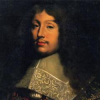
Francois de La Rochefoucauld
François VI, Duc de La Rochefoucauld, Prince de Marcillacla ʁɔʃfuˈko]; 15 September 1613 – 17 March 1680) was a noted French author of maxims and memoirs. It is said that his world-view was clear-eyed and urbane, and that he neither condemned human conduct nor sentimentally celebrated it. Born in Paris on the Rue des Petits Champs, at a time when the royal court was vacillating between aiding the nobility and threatening it, he was considered an exemplar of the accomplished 17th-century...
NationalityFrench
ProfessionWriter
Date of Birth15 September 1613
CountryFrance
For most men the love of justice is only the fear of suffering injustice.
Narrow minds think nothing right that is above their own capacity.
Old men delight in giving good advice as a consolation for the fact that they can no longer set bad examples.
Nothing is given so profusely as advice.
The person giving the advice returns the confidence placed in him with a disinterested eagerness... and he is usually guided only by his own interest or reputation.
The reason why lovers and their mistresses never tire of being together is that they are always talking of themselves. [Fr., Ce qui fait que amants et les maitresses ne s'ennuient point d'etre ensemble; c'est qu'ils parlent toujours d'eux memes.]
Weak people cannot be sincere.
The art of using moderate abilities to advantage often brings greater results than actual brilliance
We frequently are troublesome to others, when we think it impossible for us ever to be so.
He is not to pass for a man of reason who stumbles upon reason by chance but he who knows it and can judge it and has a true taste for it.
He that would be a great man must learn to turn every accident to some advantage.
Politeness of mind consists in thinking chaste and refined thoughts.
We are deceived if we think that mind and judgment are two different matters: judgment is but the extent of the light of the mind. This light penetrates to the bottom of matters; it remarks all that can be remarked, and perceives what appears imperceptible. Therefore we must agree that it is the extent of the light in the mind that produces all the effects which we attribute to judgment.
A man often imagines that he acts, when he is acted upon.