Francois de La Rochefoucauld
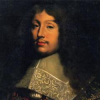
Francois de La Rochefoucauld
François VI, Duc de La Rochefoucauld, Prince de Marcillacla ʁɔʃfuˈko]; 15 September 1613 – 17 March 1680) was a noted French author of maxims and memoirs. It is said that his world-view was clear-eyed and urbane, and that he neither condemned human conduct nor sentimentally celebrated it. Born in Paris on the Rue des Petits Champs, at a time when the royal court was vacillating between aiding the nobility and threatening it, he was considered an exemplar of the accomplished 17th-century...
NationalityFrench
ProfessionWriter
Date of Birth15 September 1613
CountryFrance
It is sometimes necessary to play the fool to avoid being deceived by cunning men.
Pity is often a reflection of our own evils in the ills of others. It is a delicate foresight of the troubles into which we may fall.
It is the prerogative of great men only to have great defects.
If there be a love pure and free from the admixture of our other passions, it is that which lies hidden in the bottom of our heart, and which we know not ourselves.
We label judges with having the meanest motives, and yet we desire that our reputation and fame should depend upon the judgment of men, who are all, either from their jealousy or preoccupation or want of intelligence, opposed to us - and yet despite their bias, just for the sake of making these men decide in our favor, we peril in so many ways both our peace and our life.
How deceitful hope may be, yet she carries us on pleasantly to the end of life.
Great men should not have great faults.
There are no accidents so unlucky but the prudent may draw some advantage from them.
We are never so generous as when giving advice.
We often brag that we are never bored with ourselves, and are so vain as never to think ourselves bad company.
We are always bored by the very people by whom it is vital not to be bored.
Jealousy is not so much the love of another as the love of ourselves.
Only great men have great faults.
Love can no more continue without a constant motion than fire can; and when once you take hope and fear away, you take from it its very life and being.