Harold Pinter
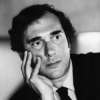
Harold Pinter
Harold Pinter CH CBEwas a Nobel Prize-winning English playwright, screenwriter, director and actor. One of the most influential modern British dramatists, his writing career spanned more than 50 years. His best-known plays include The Birthday Party, The Homecoming, and Betrayal, each of which he adapted for the screen. His screenplay adaptations of others' works include The Servant, The Go-Between, The French Lieutenant's Woman, The Trial, and Sleuth. He also directed or acted in radio, stage, television, and film productions of...
NationalityEnglish
ProfessionPlaywright
Date of Birth10 October 1930
restored theater to its basic elements: an enclosed space and unpredictable dialogue, where people are at the mercy of each other and pretense crumbles.
I think the world is going down the drain if we're not very careful,
I mean, don't forget the earth's about five thousand million years old, at least. Who can afford to live in the past?
The crimes of the U.S. throughout the world have been systematic, constant, clinical, remorseless, and fully documented but nobody talks about them.
I feel quite overwhelmed. I had absolutely no idea.
Mr. Bush and his gang do know what they're doing, and Blair, unless he really is the deluded idiot he often appears to be, also knows what they're doing.
As far as I'm concerned, 'The Caretaker' is funny, up to a point. Beyond that point, it ceases to be funny, and it was because of that point that I wrote it.
I have written 29 plays and I think that's really enough,
I have no idea why they gave me the award, ... I respect their judgment. I am very grateful.
I feel a great affinity to his way of thinking. That's why I wanted to work with him. He is a composer of words and I am a composer of music, but we have a lot in common.
Beckett had an unerring light on things, which I much appreciated.
There is a movement to get an international criminal court in the world, voted for by hundreds of states-but with the noticeable absence of the United States of America.
A short piece of work means as much to me as a long piece of work.
I saw Len Hutton in his prime, Another time, another time.