James Anthony Froude
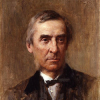
James Anthony Froude
James Anthony Froude FRSEwas an English historian, novelist, biographer, and editor of Fraser's Magazine. From his upbringing amidst the Anglo-Catholic Oxford Movement, Froude intended to become a clergyman, but doubts about the doctrines of the Anglican church, published in his scandalous 1849 novel The Nemesis of Faith, drove him to abandon his religious career. Froude turned to writing history, becoming one of the best known historians of his time for his History of England from the Fall of Wolsey to...
NationalityEnglish
ProfessionHistorian
Date of Birth23 April 1818
James Anthony Froude quotes about
I scarcely know a professional man I can like, and certainly not one who has been what the world calls successful, that I should the least wish to resemble.
I believe that fallen creatures perish, perish for ever, for only good can live, and good has not been theirs; but how durst men forge our Saviour's words "eternal death " into so horrible a meaning? And even if he did use other words, and seem to countenance such a meaning for them (and what witness have we that He did, except that of men whose ignorance or prejudice might well have interpreted these words wrongly as they did so many others?
Man is a real man, and can live and act manfully in this world, not in the strength of opinions, not according to what he thinks, but according to what he is .
The Providence that watches over the affairs of men works out of their mistakes, at times, a healthier issue than could have been accomplished by their wisest forethought.
Men are made by nature unequal. It is vain, therefore, to treat them as if they were equal.
Men think to mend their condition by a change of circumstances. They might as well hope to escape from their shadows.
What is right or duty without power ? To tell a man it is his duty to submit his judgment to the judgment of the church, is like telling a wife it is her duty to love her husband a thing easy to say, but meaning simply nothing. Affection must be won, not commanded.
A dreamer he was, and ever would be. Yet dreaming need not injure us, if it do but take its turn with waking; and even dreams themselves may be turned to beauty, by favoured men to whom nature has given the powers of casting them into form.
Woe to the unlucky man who as a child is taught, even as a portion of his creed, what his grown reason must forswear.
What is called virtue in the common sense of the word has nothing to do with this or that man's prosperity, or even happiness.
There are at bottom but two possible religions--that which rises in the moral nature of man, and which takes shape in moral commandments, and that which grows out of the observation of the material energies which operate in the external universe.
The soul of man is not a thing which comes and goes, is builded and decays like the elemental frame in which it is set to dwell, but a very living force, a very energy of God's organic will, which rules and moulds this universe.
That which especially distinguishes a high order of man from a low order of man, that which constitutes human goodness, human nobleness, is surely not the degree of enlightenment with which men pursue their own advantage; but it is self-forgetfulness; it is self-sacrifice; it is the disregard of personal pleasure, personal indulgence, personal advantage, remote or present, because some other line of conduct is more right.
Just laws are no restraint upon the freedom of the good, for the good man desires nothing which a just law will interfere with.