Jane Austen
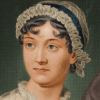
Jane Austen
Jane Austenwas an English novelist known primarily for her six major novels which interpret, critique and comment upon the life of the British landed gentry at the end of the 18th century. Her most highly praised novel during her lifetime was Pride and Prejudice, her second published novel. Austen's plots often explore the dependence of women on marriage in the pursuit of favorable social standing and economic security...
NationalityBritish
ProfessionNovelist
Date of Birth16 December 1775
CitySteventon, England
Single women have a dreadful propensity to being poor
Mr. Wickham is blessed with such happy manners as may ensure his MAKING friends--whether he may be equally capable of RETAINING them, is less certain.
Mr. Collins was not a sensible man, and the deficiency of nature had been but little assisted by education or society . . .
There are people, the more you do for them, the less they do for themselves.
On his two younger sisters he then bestowed an equal portion of his fraternal tenderness, for he asked each of them how they did, and observed that they both looked very ugly.
Nobody can tell what I suffer! But it is always so. Those who do not complain are never pitied.
Nobody is on my side, nobody takes part with me: I am cruelly used, nobody feels for my poor nerves.
She was a woman of mean understanding, little information, and uncertain temper.
She was determined, as she felt it to be her duty, to try to overcome all that was excessive.
One of Edward's Mistresses was Jane Shore, who has had a play written about her, but it is a tragedy and therefore not worth reading.
My being charming, Harriet, is not quite enough to induce me to marry; I must find other people charming--one other person at least.
. . . provided that nothing like useful knowledge could be gained from them, provided they were all story and no reflection, she had never any objection to books at all.
Drinking too much of Mr Weston's good wine.
Although our productions have afforded more extensive and unaffected pleasure than those of any other literary corporation in the world, no species of composition has been so much decried. ''And what are you reading, Miss -- -?'' ''Oh! it is only a novel!'' replies the young lady; while she lays down her book with affected indifference, or momentary shame. ''It is only Cecilia, or Camilla, or Belinda ''; or, in short, only some work in which the greatest powers of the mind are displayed, in which the most thorough knowledge of human nature, the happiest delineation of its varieties, the liveliest effusions of wit and humor, are conveyed to the world in the best chosen language.