John Calvin
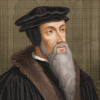
John Calvin
John Calvinwas an influential French theologian and pastor during the Protestant Reformation. He was a principal figure in the development of the system of Christian theology later called Calvinism, aspects of which include the doctrine of predestination and the absolute sovereignty of God in salvation of the human soul from death and eternal damnation. In these areas Calvin was influenced by the Augustinian tradition. Various Congregational, Reformed and Presbyterian churches, which look to Calvin as the chief expositor of their...
NationalityFrench
ProfessionTheologian
Date of Birth10 July 1509
CountryFrance
Unless we fix certain hours in the day for prayer, it easily slips from our memory.
Those who fall away have never been thoroughly imbued with the knowledge of Christ but only had a slight and passing taste of it.
The first part of a good work is the will, the second is vigorous effort in the doing of it. God is the author of both. It is, therefore, robbery from God to arrogate anything to ourselves, either in the will or the act.
We are not to look to what men in themselves deserve but to attend to the image of God which exists in all and to which we owe all honor and love.
No man can come to God but by an extraordinary revelation of the Spirit.
You must submit to supreme suffering in order to discover the completion of joy.
For what accords better and more aptly with faith than to acknowledge ourselves divested of all virtue that we may be clothed by God, devoid of all goodness that we may be filled by him, the slaves of sin that he may give us freedom, blind that he may enlighten, lame that he may cure, and feeble that he may sustain us; to strip ourselves of all ground of glorying that he alone may shine forth glorious, and we be glorified in him?
The pastor ought to have two voices: one, for gathering the sheep; and another, for warding off and driving away wolves and thieves. The Scripture supplies him with the means of doing both.
The Angels are the dispensers and administrators of the Divine beneficence toward us. They regard our safety, undertake our defense, direct our ways, and exercise a constant solicitude that no evil befall us.
The world was no doubt made, that it might be a theatre of the divine glory.
There are people who are known to be very liberal, yet they never give without scolding or pride or even insolence.
Elisabeth, again, while she praises her, is so far from hiding the Divine glory, that she ascribes everything to God. And yet, though she acknowledges the superiority of Mary to herself and to others, she does not envy her the higher distinction, but modestly declares that she had obtained more than she deserved.
Man is never sufficiently touched and affected by the awareness of his lowly state until he has compared himself with God's majesty.
So great and boundless is God's wisdom that he knows right well how to use evil instruments to do good.