John Calvin
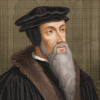
John Calvin
John Calvinwas an influential French theologian and pastor during the Protestant Reformation. He was a principal figure in the development of the system of Christian theology later called Calvinism, aspects of which include the doctrine of predestination and the absolute sovereignty of God in salvation of the human soul from death and eternal damnation. In these areas Calvin was influenced by the Augustinian tradition. Various Congregational, Reformed and Presbyterian churches, which look to Calvin as the chief expositor of their...
NationalityFrench
ProfessionTheologian
Date of Birth10 July 1509
CountryFrance
For until men recognize that they owe everything to God, that they are nourished by His fatherly care, that He is the Author of their every good, that they should seek nothing beyond Him - they will never yield Him willing service. Nay, unless they establish their complete happiness in Him, they will never give themselves truly and sincerely to Him.
Hence that dread and amazement with which as Scripture uniformly relates holy men were struck and overwhelmed whenever they beheld the presence of God. Men are never duly touched and impressed with a conviction of their insignificance until they have.
The Scriptures obtain full authority among believers only when men regard them as having sprung from heaven, as if there the living words of God were heard.
The flesh is willing to flatter itself, and many who now give themselves every indulgence, promise to themselves an easy entrance into life. THus men practice mutual deception on each other and fall asleep in wicked indifference.
As far as sacred Scripture is concerned, however much froward men try to gnaw at it, nevertheless it clearly is crammed with thoughts that could not be humanly conceived. Let each of the prophets be looked into: none will be found who does not far exceed human measure. Consequently, those for whom prophetic doctrine is tasteless ought to be thought of as lacking taste buds.
The Fanaticism which discards the Scripture, under the pretense of resorting to immediate revelations is subversive of every principle of Christianity. For when they boast extravagantly of the Spirit, the tendency is always to bury the Word of God so they may make room for their own falsehoods.
All things being at God's disposal, and the decision of salvation or death belonging to him, he orders all things by his counsel and decree in such a manner, that some men are born devoted from the womb to certain death, that his name may be glorified in their destruction.
...a man will be justified by faith when, excluded from righteousness of works, he by faith lays hold of the righteousness of Christ, and clothed in it, appears in the sight of God not as a sinner, but as righteous...
We are not to reflect on the wickedness of men but to look to the image of God in them, an image which, covering and obliterating their faults, an image which, by its beauty and dignity, should allure us to love and embrace them.
The blood of Christ is necessary to purge the faults clinging to our best works.
The evil in our desires typically does not lie in what we want, but that we want it too much.
The invention of the arts, and other things which serve the common use and convenience of life, is a gift of God by no means to be despised, and a faculty worthy of commendation.
Now the great thing is this: we are consecrated and dedicated to God in order that we may thereafter think, speak, meditate, and do, nothing except to his glory. For a sacred thing may not be applied to profane uses without marked injury to him.
God does not bestow his spirit on his people in order to set aside the use of his word, but rather to render it fruitful.