Lynsey Addario
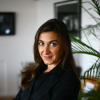
Lynsey Addario
Lynsey Addariois an American photojournalist. Her work often focuses on conflicts and human rights issues, especially the role of women in traditional societies...
NationalityAmerican
ProfessionPhotographer
Date of Birth13 November 1973
CountryUnited States of America
attacks basically became bombs car cared covering iraq leave norm realize
I think there were times when I first started out, when I was covering Iraq - I was basically living there in 2003 and 2004 - that car bombs and attacks became so the norm that it was weird for me to leave and realize that no one else actually cared about what was going on there.
basically continue directly figure front iraq places rife south sudan war work
I wanted to continue doing my work, but I had to figure out how. And so what I have basically come up with is that I still go to Afghanistan and Iraq and South Sudan and many of these places that are rife with war, but I don't go directly to the front line.
became calling covering people realized war zones
I think when I started going to war zones and started covering humanitarian issues, it became a calling because I realized I had a voice, and I can give people without a voice a voice... and now it is something that sits inside of me every day.
arms asked backs begging behind deciding execute face hostage lives putting remember taken tying whether
I remember the moment in which we were taken hostage in Libya, and we were asked to lie face down on the ground, and they started putting our arms behind our backs and started tying us up. And we were each begging for our lives because they were deciding whether to execute us, and they had guns to our heads.
certain constantly issues sensitive tune type
I think, for me, personally, I try to be sensitive to issues as I learn about them. And I also try to constantly become not only a certain type of person but also become more in tune to the issues I'm covering. As I get older, I think that things just affect me more.
experience held passionate people siblings whatever
I was lucky because I had parents who have enabled me to do whatever I was passionate about and never held my siblings and me back from anything. But I think a lot of people don't have that experience.
affected looking margins people quieter strength war
My strength is looking for composition and light, and I think those things come in the quieter times of war or photographing people affected on the margins of war - civilians, refugees; that is where I really excel.
adrenaline anyone families idealism life risking strain suffer work
Look, I would say that anyone who does this work and doesn't have a strain of idealism is an adrenaline junkie or completely narcissistic. There is no other justification. You're risking your life, and if anything happens, it's our families who suffer tremendously.
believed convinced danger felt single stories traveling
I was undeterred by the danger of traveling as a single American woman through Taliban-governed land. I believed in the stories I wanted to tell, the stories I felt were underreported, and I was convinced that that belief would keep me alive.
believe change minute
You have to believe 100 percent in what you're doing, that some picture or some thing we do is going to change the world in some tiny, minute way.
felt holds people respect respected
When I first started out, I really felt like, 'I'm a journalist; I will be respected as a neutral observer.' And I don't feel like that holds true anymore. I don't think people respect journalists the same way they once did.
drives human
The possibility to mobilize the international community to act on human suffering is what drives me every day as a photojournalist.
constantly feature solely trying
For me personally, I'm constantly trying to really re-negotiate how I'm going to make a living because I can't make a living solely off editorial. And I'm also still trying to tell long feature stories that are harder and harder to get assigned, you know.
believed death knew pay possible willing work
I always knew my death would be a possible consequence of the work I do. But for me it was a price I was willing to pay because this is what I believed in.