Paul Farmer
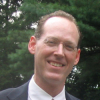
Paul Farmer
Paul Edward Farmeris an American anthropologist and physician who is best known for his humanitarian work providing suitable health care to rural and under-resourced areas in developing countries, beginning in Haiti. Co-founder of an international social justice and health organization, Partners In Health, he is known as "the man who would cure the world," as described in the book, Mountains Beyond Mountains by Tracy Kidder...
NationalityAmerican
ProfessionScientist
Date of Birth26 October 1959
CountryUnited States of America
What I can argue is that no one should have to die of a disease that is treatable.
The only way to do the human rights thing is to do the right thing medically.
For me, an area of moral clarity is: you're in front of someone who's suffering and you have the tools at your disposal to alleviate that suffering or even eradicate it, and you act.
The poorest parts of the world are by and large the places in which one can best view the worst of medicine and not because doctors in these countries have different ideas about what constitutes modern medicine. It's the system and its limitations that are to blame.
With rare exceptions, all of your most important achievements on this planet will come from working with others- or, in a word, partnership.
The essence of global health equity is the idea that something so precious as health might be viewed as a right.
If access to health care is considered a human right, who is considered human enough to have that right?
The idea that some lives matter less is the root of all that is wrong with the world.
At the same time, the fact the world's poor are calling upon us to help is a marker, in my view, of the limitless potential of human solidarity.
The danger is that they build up a power base and turn everyone in the organization paranoid, everyone becomes afraid of everyone else and the work culture begins to reflect the personality of the leader,
And I can also show you that people from all walks of life agree that someone who is sick deserves, in principle, compassion and care.
So I can't show you how, exactly, health care is a basic human right. But what I can argue is that no one should have to die of a disease that is treatable.
If you look at people who seek a lot of care in American cities for multiple illnesses, it's usually people with a number of overwhelming illnesses and a lot of social problems, like housing instability, unemployment, lack of insurance, lack of housing, or just bad housing.
What the American public thinks is very important to the future of global health. Many people are moved by the idea that there is unnecessary suffering in the world, and we could do a lot to stop it. We have the technologies necessary to stop most of the suffering.