Plutarch
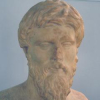
Plutarch
Plutarch; c. AD 46 – AD 120) was a Greek historian, biographer, and essayist, known primarily for his Parallel Lives and Moralia. He is classified as a Middle Platonist. Plutarch's surviving works were written in Greek, but intended for both Greek and Roman readers...
NationalityGreek
ProfessionPhilosopher
nice fall maturity
What sort of tree is there which will not, if neglected, grow crooked and unfruitful; what but Will, if rightly ordered, prove productive and bring its fruit to maturity? What strength of body is there which will not lose its vigor and fall to decay by laziness, nice usage, and debauchery?
men rights house
Lycurgus being asked why he, who in other respects appeared to be so zealous for the equal rights of men, did not make his government democratical rather than oligarchical, "Go you," replied the legislator, "and try a democracy in your own house.
education exercise imperfect
If Nature be not improved by instruction, it is blind; if instruction be not assisted by Nature, it is maimed; and if exercise fail of the assistance of both, it is imperfect.
character men self
Blinded as they are to their true character by self-love, every man is his own first and chiefest flatterer, prepared, therefore, to welcome the flatterer from the outside, who only comes confirming the verdict of the flatterer within.
quality benefits lessons
Education and study, and the favors of the muses, confer no greater benefit on those that seek them than these humanizing and civilizing lessons, which teach our natural qualities to submit to the limitations prescribed by reason, and to avoid the wildness of extremes.
kings prayer wall
If we traverse the world, it is possible to find cities without walls, without letters, without kings, without wealth, without coin, without schools and theatres; but a city without a temple, or that practiseth not worship, prayer, and the like, no one ever saw.
done may despise
Whenever anything is spoken against you that is not true, do not pass by or despise it because it is false; but forthwith examine yourself, and consider what you have said or done that may administer a just occasion of reproof.
philosophical animal flesh
Note that the eating of flesh is not only physically against nature, but it also makes us spiritually coarse and gross by reason of satiety and surfeit.
should benevolence humankind
Were it only to learn benevolence to humankind, we should be merciful to other creatures.
curiosity wish may
Talkativeness has another plague attached to it, even curiosity; for praters wish to hear much that they may have much to say.
son men riches
When Anaxagoras was told of the death of his son, he only said, "I knew he was mortal." So we in all casualties of life should say "I knew my riches were uncertain, that my friend was but a man." Such considerations would soon pacify us, because all our troubles proceed from their being unexpected.
book latter aim
We ought to regard books as we do sweetmeats, not wholly to aim at the pleasantest, but chiefly to respect the wholesomest; not forbidding either, but approving the latter most.
hurtful riches
Riches for the most part are hurtful to them that possess them.
envy pleasure advantage
Our nature holds so much envy and malice that our pleasure in our own advantages is not so great as our distress at others'.