Plutarch
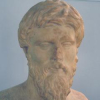
Plutarch
Plutarch; c. AD 46 – AD 120) was a Greek historian, biographer, and essayist, known primarily for his Parallel Lives and Moralia. He is classified as a Middle Platonist. Plutarch's surviving works were written in Greek, but intended for both Greek and Roman readers...
NationalityGreek
ProfessionPhilosopher
may fault-finding faults
To find fault is easy; to do better may be difficult.
real character men
It is not the most distinguished achievements that men's virtues or vices may be best discovered; but very often an action of small note. An casual remark or joke shall distinguish a person's real character more than the greatest sieges, or the most important battles.
men evil age
Cato requested old men not to add the disgrace of wickedness to old age, which was accompanied with many other evils.
inspiration important oratory
When Demosthenes was asked what were the three most important aspects of oratory, he answered, 'Action, Action, Action.'
thinking virtue admirer
It is the admirer of himself, and not the admirer of virtue, that thinks himself superior to others.
thinking numbers asking
Alexander wept when he heard from Anaxarchus that there was an infinite number of worlds; and his friends asking him if any accident had befallen him, he returns this answer: "Do you not think it a matter worthy of lamentation that when there is such a vast multitude of them, we have not yet conquered one?
mean men thinking
If any man think it a small matter, or of mean concernment, to bridle his tongue, he is much mistaken; for it is a point to be silent when occasion requires, and better than to speak, though never so well.
reality vices virtue
A few vices are sufficient to darken many virtues.
mean men hands
Poverty is never dishonourable in itself, but only when it is a mark of sloth, intemperance, extravagance, or thoughtlessness. When, on the other hand, it is the handmaid of a sober, industrious, righteous, and brave man, who devotes all his powers to the service of the people, it is the sign of a lofty spirit that harbours no mean thoughts
thinking likes favour
He who least likes courting favour, ought also least to think of resenting neglect; to feel wounded at being refused a distinction can only arise from an overweening appetite to have it.
mind add dignity
The generous mind adds dignity to every act, and nothing misbecomes it.
hate hatred mind
If you hate your enemies, you will contract such a vicious habit of mind that it will break out upon those who are your friends, or those who are indifferent to you.
hurt sight evil
As small letters hurt the sight, so do small matters him that is too much intent upon them; they vex and stir up anger, which begets an evil habit in him in reference to greater affairs.
thinking enemy littles
He who cheats with an oath acknowledges that he is afraid of his enemy, but that he thinks little of God.