Plutarch
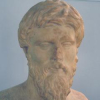
Plutarch
Plutarch; c. AD 46 – AD 120) was a Greek historian, biographer, and essayist, known primarily for his Parallel Lives and Moralia. He is classified as a Middle Platonist. Plutarch's surviving works were written in Greek, but intended for both Greek and Roman readers...
NationalityGreek
ProfessionPhilosopher
father taken opportunity
Whenever Alexander heard Philip had taken any town of importance, or won any signal victory, instead of rejoicing at it altogether, he would tell his companions that his father would anticipate everything, and leave him and them no opportunities of performing great and illustrious actions.
men people asia
One made the observation of the people of Asia that they were all slaves to one man, merely because they could not pronounce that syllable No.
life philosophy live-life
Philosophy is an act of living.
believe long sparta
A traveller at Sparta, standing long upon one leg, said to a Lacedaemonian, "I do not believe you can do as much." "True," said he, "but every goose can."
fighting giving said
To one that promised to give him hardy cocks that would die fighting, "Prithee," said Cleomenes, "give me cocks that will kill fighting.
anger men self
Had I a careful and pleasant companion that should show me my angry face in a glass, I should not at all take it ill; to behold man's self so unnaturally disguised and dishonored will conduce not a little to the impeachment of anger.
failure failing harm
To fail to do good is as bad as doing harm.
grief evil feelings
Grief is natural; the absence of all feeling is undesirable, but moderation in grief should be observed, as in the face of all good or evil.
selfish grief dishonor
Immoderate grief is selfish, harmful, brings no advantage to either the mourner or the mourned, and dishonors the dead.
liars lying
Playing the Cretan with the Cretans (i.e. lying to liars).
plato sacrifice grace
Plato used to say to Xenocrates the philosopher, who was rough and morose, "Good Xenocrates, sacrifice to the Graces.
war special firsts
He who first called money the sinews of the state seems to have said this with special reference to war.
determination mind noble
A remorseful change of mind renders even a noble action base, whereas the determination which is grounded on knowledge and reason cannot change even if its actions fail.
strong teaching son
Scilurus on his death-bed, being about to leave four-score sons surviving, offered a bundle of darts to each of them, and bade them break them. When all refused, drawing out one by one, he easily broke them, thus teaching them that if they held together, they would continue strong; but if they fell out and were divided, they would become weak.