Samuel Adams
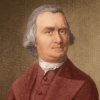
Samuel Adams
Samuel Adamswas an American statesman, political philosopher, and one of the Founding Fathers of the United States. As a politician in colonial Massachusetts, Adams was a leader of the movement that became the American Revolution, and was one of the architects of the principles of American republicanism that shaped the political culture of the United States. He was a second cousin to President John Adams...
NationalityAmerican
ProfessionPolitician
Date of Birth27 September 1722
CityBoston, MA
CountryUnited States of America
It bodes very ill for government when men are exalted to places of high trust through their own solicitations. He only fills a place with dignity who is invited to it by his fellow citizens from the experience they have had of his adequate abilities.
A nation of shopkeepers are very seldom so disinterested.
Among the natural rights of the colonists are these: first, a right to life; second, to liberty; third, to property; together with the right to support and defend them in the best manner they can. These are evident branches of ... the duty of self-preservation, commonly called the first law of nature. All men have a right to remain in a state of nature as long as they please; and in case of intolerable oppression, civil or religious, to leave the society they belong to, and ernter into another.... Now what liberty can there be where property is taken away without consent?
May every citizen ... have a proper sense of the Deity upon his mind and an impression of the declaration recorded in the Bible, 'Him that honoreth Me I will honor, but he that despiseth Me shall be lightly esteemed.'
In short, it is the greatest absurdity to suppose it in the power of one, or any number of men, at the entering into society, to renounce their essential natural rights, or the means of preserving those rights; when the grand end of civil government, from the very nature of its institution, is for the support, protection, and defence of those very rights; the principal of which, as is before observed, are Life, Liberty, and Property.
We cannot make events. Our business is wisely to improve them.
[T]he importance of piety and religion; of industry and frugality; of prudence, economy, regularity and an even government; all . . . are essential to the well-being of a family.
Let no man thirst for good beer.
I ... [rely] upon the merits of Jesus Christ for a pardon of all my sins.
The right to freedom is the gift of God Almighty....The rights of the Colonists as Christians may be best understood by reading, and carefully studying the institutes of the great Lawgiver and head of the Christian Church: which are to be found clearly written and promuligated in the New Testament.
Religion and good morals are the only solid foundation of public liberty and happiness.
Shame on the men who can court exemption from present trouble and expense at the price of their own posterity's liberty!
Were the talents and virtues which heaven has bestowed on men given merely to make them more obedient drudges, to be sacrificed to the follies and ambition of a few? Or, were not the noble gifts so equally dispensed with a divine purpose and law, that they should as nearly as possible be equally exerted, and the blessings of Providence be equally enjoyed by all?
And that the said Constitution be never construed to authorize Congress to infringe the just liberty of the press, or the rights of conscience; or to prevent the people of the United States, who are peaceable citizens, from keeping their own arms; or to raise standing armies, unless necessary for the defense of the United States, or of some one or more of them; or to prevent the people from petitioning, in a peaceable and orderly manner, the federal legislature, for a redress of grievances; or to subject the people to unreasonable searches and seizures of their persons, papers or possessions.