Samuel Smiles
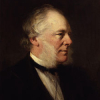
Samuel Smiles
Samuel Smiles, was a Scottish author and government reformer who campaigned on a Chartist platform. But he concluded that more progress would come from new attitudes than from new laws. His masterpiece, Self-Help, promoted thrift and claimed that poverty was caused largely by irresponsible habits, while also attacking materialism and laissez-faire government. It has been called "the bible of mid-Victorian liberalism", and it raised Smiles to celebrity status almost overnight...
NationalityScottish
ProfessionAuthor
Date of Birth23 December 1812
Men must necessarily be the active agents of their own well-being and well-doing they themselves must in the very nature of things be their own best helpers.
Wisdom and understanding can only become the possession of individual men by travelling the old road of observation, attention, perseverance, and industry.
Progress however, of the best kind, is comparatively slow. Great results cannot be achieved at once; and we must be satisfied to advance in life as we walk, step by step.
The wise man... if he would live at peace with others, he will bear and forbear.
The apprenticeship of difficulty is one which the greatest of men have had to serve.
The government of a nation itself is usually found to be but the reflux of the individuals composing it. The government that is ahead of the people will be inevitably dragged down to their level, as the government that is behind them will in the long run be dragged up.
Mere political reform will not cure the manifold evils which now afflict society. There requires a social reform, a domestic reform, an individual reform.
Make good thy standing place, and move the world.
Courage is by no means incompatible with tenderness. On the contrary, gentleness and tenderness have been found to characterize the men, no less than the women, who have done the most courageous deeds.
No good thing is ever lost. Nothing dies, not even life which gives up one form only to resume another. No good action, no good example dies. It lives forever in our race. While the frame moulders and disappears, the deed leaves an indelible stamp, and molds the very thought and will of future generations.
The cheapest of all things is kindness, its exercise requiring the least possible trouble and self-sacrifice. Win hearts, said Burleigh to Queen Elizabeth, and you have all men's hearts and purses.
Alexander the Great valued learning so highly, that he used to say he was more indebted to Aristotle for giving him knowledge than to his father Philip for life.
Persons with comparatively moderate powers will accomplish much, if they apply themselves wholly and indefatigably to one thing at a time.
Time is of no account with great thoughts. They are as fresh today as when they first passed through their author's minds, ages ago.