Samuel Smiles
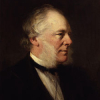
Samuel Smiles
Samuel Smiles, was a Scottish author and government reformer who campaigned on a Chartist platform. But he concluded that more progress would come from new attitudes than from new laws. His masterpiece, Self-Help, promoted thrift and claimed that poverty was caused largely by irresponsible habits, while also attacking materialism and laissez-faire government. It has been called "the bible of mid-Victorian liberalism", and it raised Smiles to celebrity status almost overnight...
NationalityScottish
ProfessionAuthor
Date of Birth23 December 1812
Cecil's dispatch of business was extraordinary, his maxim being, "The shortest way to do many things is to do only one thing at once."
Marriage like government is a series of compromises. One must give and take, repair and restrain, endure and be patient.
The career of a great man remains an enduring monument of human energy. The man dies and disappears, but his thoughts and acts survive and leave an indelible stamp upon his race.
Energy enables a man to force his way through irksome drudgery and dry details and caries him onward and upward to every station in life.
An intense anticipation itself transforms possibility into reality; our desires being often but precursors of the things which we are capable of performing.
It is natural to admire and revere really great men. They hallow the nation to which they belong, and lift up not only all who live in their time, but those who live after them. Their great example becomes the common heritage of their race; and their great deeds and great thoughts are the most glorious legacies of mankind.
Though an inheritance of acres may be bequeathed, an inheritance of knowledge and wisdom cannot. The wealthy man may pay others for doing his work for him; but it is impossible to get his thinking done for him by another, or to purchase any kind of self-culture.
All work and no play makes Jack a dull boy. But all play and no work makes him something worse.
He who recognizes no higher logic than that of the shilling may become a very rich man, and yet remain all the while an exceedingly poor creature; for riches are no proof whatever of moral worth, and their glitter often serves only to draw attention to the worthlessness of their possessor, as the glow-worm's light reveals the grub.
The truest politeness comes of sincerity.
Like men, nations are purified and strengthened by trials.
Honorable industry always travels the same road with enjoyment and duty, and progress is altogether impossible without it.
Woman, above all other educators, educates humanly. Man is the brain, but woman is the heart, of humanity.
The women of the poorer classes make sacrifices, and run risks, and bear privations, and exercise patience and kindness to a degree that the world never knows of, and would scarcely believe even if it did know.