Tacitus
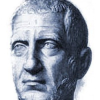
Tacitus
PubliusCornelius Tacituswas a senator and a historian of the Roman Empire. The surviving portions of his two major works—the Annals and the Histories—examine the reigns of the Roman emperors Tiberius, Claudius, Nero, and those who reigned in the Year of the Four Emperors. These two works span the history of the Roman Empire from the death of Augustus in AD 14 to the years of the First Jewish–Roman War in AD 70. There are substantial lacunae in the surviving texts,...
NationalityRoman
ProfessionHistorian
bear less misfortune prosperity remain touchstone
Prosperity is the measure or touchstone of virtue, for it is less difficult to bear misfortune than to remain uncorrupted by pleasure.
human nature whom
It is human nature to hate the man whom you have hurt.
When the state is most corrupt, then the laws are most multiplied.
easier found injury
It is always easier to requite an injury than a service: gratitude is a burden, but revenge is found to pay.
bear last learned love men
Love of fame is the last thing even learned men can bear to be parted from.
appreciation common esteem
It is common, to esteem most what is most unknown.
fields example precedent
All those things that are now field to be of the greatest antiquity were at one time new; what we to-day hold up by example will rank hereafter as precedent.
hatred worst relative
The worst hatred is that of relatives.
politics foundation economy
Nothing mortal is so unstable and subject to change as power which has no foundation.
saws manners glances
Tacitus has written an entire work on the manners of the Germans. This work is short, but it comes from the pen of Tacitus, who was always concise, because he saw everything at a glance.
today precedent hereafter
What is today supported by precedents will hereafter become a precedent.
names cassius brutus
The images of twenty of the most illustrious families the Manlii, the Quinctii, and other names of equal splendour were carried before it [the bier of Junia]. Those of Brutus and Cassius were not displayed; but for that very reason they shone with pre-eminent lustre.
hurt calumny-is giving
Neglected, calumny soon expires, show that you are hurt, and you give it the appearance of truth.
men giving honor
Posterity gives to every man his true honor. [Lat., Suum cuique decus posteritas rependet.]