Tacitus
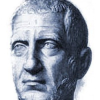
Tacitus
PubliusCornelius Tacituswas a senator and a historian of the Roman Empire. The surviving portions of his two major works—the Annals and the Histories—examine the reigns of the Roman emperors Tiberius, Claudius, Nero, and those who reigned in the Year of the Four Emperors. These two works span the history of the Roman Empire from the death of Augustus in AD 14 to the years of the First Jewish–Roman War in AD 70. There are substantial lacunae in the surviving texts,...
NationalityRoman
ProfessionHistorian
corrupt numerous
The more corrupt the republic, the more numerous the laws.
belonging calm qualities reason
Reason and calm judgment: the qualities especially belonging to a leader.
burns eloquence excite feed matter motion requires
It is of eloquence as of a flame; it requires matter to feed it, and motion to excite it; and it brightens as it burns
boldly courage danger meet
If we must fall, we should boldly meet the danger.
candor due lead ruin tempered unless
Candor and generosity, unless tempered by due moderation, lead to ruin
aspired equal higher talents
He had talents equal to business, and aspired no higher
hate human injured nature whom
It is human nature to hate those whom you have injured
proper prudence qualities
Forethought and prudence are the proper qualities of a leader.
hate human nature weakness whom
It is a weakness of your human nature to hate those whom you have wronged.
actions deeds evil fear history infamous office prevent principle reputation virtuous words
The principle office of history I take to be this: to prevent virtuous actions from being forgotten, and that evil words and deeds should fear an infamous reputation with posterity.
courage valor there-is-hope
In valor there is hope.
peace freedom war
The more corrupt the state, the more numerous the laws.
leader reign christ
Auctor nominis eius Christus,Tiberio imperitante, per procuratorem Pontium Pilatum, supplicio affectus erat. Christ, the leader of the sect, had been put to death by the procurator Pontius Pilate in the reign of Tiberius.
gratitude revenge men
Men are more ready to repay an injury than a benefit, because gratitude is a burden and revenge a pleasure