Aristotle
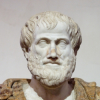
Aristotle
Aristotle was a Greek philosopher and scientist born in the city of Stagira, Chalkidice, on the northern periphery of Classical Greece. His father, Nicomachus, died when Aristotle was a child, whereafter Proxenus of Atarneus became his guardian. At eighteen, he joined Plato's Academy in Athens and remained there until the age of thirty-seven. His writings cover many subjects – including physics, biology, zoology, metaphysics, logic, ethics, aesthetics, poetry, theater, music, rhetoric, linguistics, politics and government – and constitute the first comprehensive system...
NationalityGreek
ProfessionPhilosopher
Character is revealed through action.
. . . the man is free, we say, who exists for his own sake and not for another's.
I say that habit's but a long practice, friend, and this becomes men's nature in the end.
All men desire by nature to know.
There are no experienced young people. Time makes experience.
Youth should stay away from all evil, especially things that produce wickedness and ill-will.
Victory is plesant, not only to those who love to conquer, bot to all; for there is produced an idea of superiority, which all with more or less eagerness desire.
What we expect, that we find.
Evil draws men together.
Sophocles said he drew men as they ought to be, and Euripides as they were.
Boundaries don't protect rivers, people do.
Dissimilarity of habit tends more than anything to destroy affection.
A democracy is a government in the hands of men of low birth, no property, and vulgar employments.
The true nature of a thing is the highest it can become.