Barbara Kingsolver
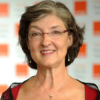
Barbara Kingsolver
Barbara Kingsolveris an American novelist, essayist and poet. She was raised in rural Kentucky and lived briefly in the Congo in her early childhood. Kingsolver earned degrees in biology at DePauw University and the University of Arizona and worked as a freelance writer before she began writing novels. Her widely known works include The Poisonwood Bible, the tale of a missionary family in the Congo, and Animal, Vegetable, Miracle, a non-fiction account of her family's attempts to eat locally...
NationalityAmerican
ProfessionNovelist
Date of Birth8 April 1955
CountryUnited States of America
Readers of fiction read, I think, for a deeper embrace of the world, of reality. And that's brave. I never get over being thankful for that - for the courage of my readers.
Every time I write a new novel about something sombre and sobering and terrible I think, 'oh Lord, they're not going to want to go here'. But they do. Readers of fiction read, I think, for a deeper embrace of the world, of reality. And that's brave.
Fiction and essays can create empathy for the theoretical stranger.
I know I'm a rare person, a trained scientist who writes fiction, because so few contemporary novelists engage with science.
Fiction is a sort of inter-human magic, allowing you to travel into a scene and feel it tingle on your skin...
What a writer can do, what a fiction writer or a poet or an essay writer can do is re-engage people with their own humanity.
Good fiction creates empathy. A novel takes you somewhere and asks you to look through the eyes of another person, to live another life.
At home, growing up, we weren't really poor. We had everything we needed, we just didn't have what we wanted.
People in my novels always have terrible problems. If they are not terrible, I make them more terrible.
I was trained in classical piano, but it kind of dawned on me that classical pianists compete for six job openings a year, and the rest of us get to play 'Blue Moon' in a hotel lobby.
Most every book I bring into the world is like birthing a baby; it's a lot of effort!
Most of my books have been about the complex ways an individual depends on community.
In the long run, most of us spend about fifteen minutes total in the entanglements of passion, and the rest of our days looking back on it, humming the tune.
I didn't study writing in school, I studied biology as an undergraduate and graduate student. So I think that I write fiction in the scientific way. I love invention, obviously; I love creation of character. But I do feel very rooted in the real world, even in the way that I create characters.