Barbara Kingsolver
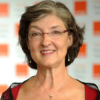
Barbara Kingsolver
Barbara Kingsolveris an American novelist, essayist and poet. She was raised in rural Kentucky and lived briefly in the Congo in her early childhood. Kingsolver earned degrees in biology at DePauw University and the University of Arizona and worked as a freelance writer before she began writing novels. Her widely known works include The Poisonwood Bible, the tale of a missionary family in the Congo, and Animal, Vegetable, Miracle, a non-fiction account of her family's attempts to eat locally...
NationalityAmerican
ProfessionNovelist
Date of Birth8 April 1955
CountryUnited States of America
I didn't study writing in school, I studied biology as an undergraduate and graduate student. So I think that I write fiction in the scientific way. I love invention, obviously; I love creation of character. But I do feel very rooted in the real world, even in the way that I create characters.
For scientists, reality is not optional.
What you lose in blindness is the space around you, the place where you are, and without that you might not exist. You could be nowhere at all.
The substance of grief is not imaginary. It's as real as rope or the absence of air, and like both those things, it can kill.
I don't *ever* write about real people. Art is supposed to be better than that. If you want a slice of life, look out the window.
Over the last decade our country has lost an average of 300 farms a week. Large or small, each of those was the lifes work of a real person or family, people who built their lives around a promise and watched it break.
Many of us who aren't farmers or gardeners still have some element of farm nostalgia in our family past, real or imagined: a secret longing for some connection to a life where a rooster crows in the yard.
If we can't, as artists, improve on real life, we should put down our pencils and go bake bread.
Because I write fiction that is based in the real world, it's going to lead people into some of the modern dilemmas and concerns and even catastrophes that they will think about in a new way.
God is frightful, God is great--you pick. I choose this: God is in the details, the completely unnecessary miracles sometimes tossed up as stars to guide us. They are the promise of good fortune in a cloudless day, and the animals in the clouds; look hard enough, and you'll see them. Don't ask if they're real.
At home, growing up, we weren't really poor. We had everything we needed, we just didn't have what we wanted.
People in my novels always have terrible problems. If they are not terrible, I make them more terrible.
I was trained in classical piano, but it kind of dawned on me that classical pianists compete for six job openings a year, and the rest of us get to play 'Blue Moon' in a hotel lobby.
Readers of fiction read, I think, for a deeper embrace of the world, of reality. And that's brave. I never get over being thankful for that - for the courage of my readers.