John Calvin
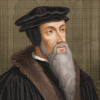
John Calvin
John Calvinwas an influential French theologian and pastor during the Protestant Reformation. He was a principal figure in the development of the system of Christian theology later called Calvinism, aspects of which include the doctrine of predestination and the absolute sovereignty of God in salvation of the human soul from death and eternal damnation. In these areas Calvin was influenced by the Augustinian tradition. Various Congregational, Reformed and Presbyterian churches, which look to Calvin as the chief expositor of their...
NationalityFrench
ProfessionTheologian
Date of Birth10 July 1509
CountryFrance
Scripture urges and warns us that whatever favors we may have obtained from the Lord, we have received them as a trust on condition that they should be applied to the common benefit of the church.
You cannot imagine a more certain rule or a more powerful suggestion than this, that all the blessings we enjoy are divine deposits which we have received on this condition that we distribute them to others.
Distinction between virtuous and vicious actions has been engraven by the Lord in the heart of every man.
For though we very truly hear that the kingdom of God will be filled with splendor, joy, happiness and glory, yet when these things are spoken of, they remain utterly remote from our perception, and as it were, wrapped in obscurities, until that day.
I consider looseness with words no less of a defect than looseness of the bowels.
When we know God to be our Father, should we not desire that he be known as such by all? And if we do not have this passion, that all creatures do him homage, is it not a sign that his glory means little to us?
There is no wisdom but that which is focused on the fear of God.
If there had been any unbelief in Mary, that could not prevent God from accomplishing his work in any other way which he might choose. But she is called blessed, because she received by faith the blessing offered to her, and opened up the way to God for its accomplishment.
The door is closed to prayer unless it is opened with the key of trust.
It having been said above that God bends all the reprobate, and even Satan himself, at his will, three objections are started. First, that this happens by the permission, not by the will of God. To this objection there is a twofold reply, the one, that angels and men, good and bad, do nothing but what is appointed by God; the second, that all movements are secretly directed to their end by the hidden inspiration of God...
The whole life of Christians ought to be an exercise of piety, since they are called to sanctification. It is the office of the law to remind them of their duty and thereby to excite them to the pursuit of holiness and integrity. But when their consciences are solicitous how God may be propitiated, what answer they shall make, and on what they shall rest their confidence, if called to his tribunal, there must then be no consideration of the requisitions of the law, but Christ alone must be proposed for righteousness, who exceeds all the perfection of the law.
It is not lawful for you to make a compromise with God: to try to fulfill part of your duties and to omit others at your own pleasure.
After 50 years, is it not clear that God has raised up new illnesses connected with fornication? From where do these things come if not from the hand of God? [In response to these diseases] The world was astounded, and people were terrified for a time, but they have not, to this day, observed the hand of God.
No one has rightly denied himself unless he has wholly resigned himself to the Lord and is willing to leave every detail to his good pleasure. If we put ourselves in such a frame of mind, then, whatever may happen to us, we shall never feel miserable or accuse God falsely because of our lot.