John Calvin
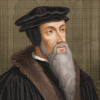
John Calvin
John Calvinwas an influential French theologian and pastor during the Protestant Reformation. He was a principal figure in the development of the system of Christian theology later called Calvinism, aspects of which include the doctrine of predestination and the absolute sovereignty of God in salvation of the human soul from death and eternal damnation. In these areas Calvin was influenced by the Augustinian tradition. Various Congregational, Reformed and Presbyterian churches, which look to Calvin as the chief expositor of their...
NationalityFrench
ProfessionTheologian
Date of Birth10 July 1509
CountryFrance
Moreover, a true Christian will not ascribe any prosperity to his own diligence, industry, or good fortune, but he will acknowledge that God is the author of it.
it must be plain also that we should not anxiously strive for riches and honors by relying on our own diligence or cleverness or by depending on the favor of men or by trusting in the notion of good luck, but that we should always expect the Lord to direct us to the lot he has provided for us.
Nothing, including human suffering, happens by chance......
To crave wealth and honor, to demand power, to pile up riches, to gather all those vanities which seem to make for pomp and empty display, that is our furious passion and our unbounded desire.On the other hand, we fear and abhor poverty, obscurity, and humility, and we seek to avoid them by all possible means.
Justification by faith is the hinge on which all true religion turns.
Since we are all naturally prone to hypocrisy, any empty semblance of righteousness is quite enough to satisfy us instead of righteousness itself.
Satan, who is a wonderful contriver of delusions, is constantly laying snares to entrap ignorant and heedless people.
Every person, on coming to the knowledge of himself, is not only urged to seek God, but is also led as by the hand to find Him.
But as a heathen tells us, there is no nation so barbarous, no race so brutish as not to be imbued with the conviction that there is a God.
Augustine does not disagree with this when he teaches that it is a faculty of the reason and the will to choose good with the assistance of grace; evil, when grace is absent.
If a preacher is not first preaching to himself, better that he falls on the steps of the pulpit and breaks his neck than preaches that sermon.
Men are idol factories.
It would be the height of absurdity to label ignorance tempered by humility "faith"! (Institutio III.2.3)
We cannot rely on God's promises without obeying his commandments.