John Calvin
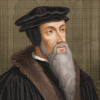
John Calvin
John Calvinwas an influential French theologian and pastor during the Protestant Reformation. He was a principal figure in the development of the system of Christian theology later called Calvinism, aspects of which include the doctrine of predestination and the absolute sovereignty of God in salvation of the human soul from death and eternal damnation. In these areas Calvin was influenced by the Augustinian tradition. Various Congregational, Reformed and Presbyterian churches, which look to Calvin as the chief expositor of their...
NationalityFrench
ProfessionTheologian
Date of Birth10 July 1509
CountryFrance
It is a sign of a perverse and treacherous disposition to wound the good name of another, when he has no opportunity of defending himself.
Whensoever God's truth is defaced or when any man turns away from the pure simplicity of the Gospel, we must not in any wise spare him, but although the whole world should set itself against us, yet must we maintain the case with invincible constancy, without bending for any creature.
Let us be peaceable as near as we can: let us relent of our own right: let us not strive for these worldly goods, honour and reputation: let us bear all wrongs and outrages, rather than be moved to any debate through our own fault. But in the meanwhile, let us fight for God's truth with tooth and nail.
Peace and friendship are an amiable thing among men. They be so indeed, and we ought to seek them to the uttermost of our power. But yet for all that, we must set such store by God's truth, that if all the world should be set on fire for the maintenance thereof, we should not stick at it.
Those who set up a fictitious worship, merely worship and adore their own delirious fancies; indeed, they would never dare so to trifle with God, had they not previously fashioned him after their own childish conceits.
All the more vile is the stupidity of those persons who open heaven to all the impious and unbelieving without the grace of Him whom Scripture commonly teaches to be the only door whereby we enter into salvation.
In forming an estimate of sins, we are often imposed upon by imagining that the more hidden the less heinous they are.
Let us fall before the majesty of our great God, acknowledging our faults, and praying that he will make us ever more conscious of them.
Yet consider now, whether women are not quite past sense and reason, when they want to rule over men.
Unless men establish their complete happiness in God, they will never give themselves truly and sincerely to him.
Let this point therefore stand: that those whom the Holy Spirit has inwardly taught truly rest upon Scripture, and that Scripture itself is self-authenticated. . . . Therefore, illumined by his power, we believe neither by our own nor by any one else's judgment that Scripture is from God; but above human judgment we affirm with utter certainty (just as if we were gazing upon the majesty of God himself) that it has flowed to us from the very mouth of God by the ministry of men.
Whenever the Lord holds us in suspense, and delays his aid, he is not therefore asleep, but, on the contrary, regulates all His works in such a manner that he does nothing but at the proper time.
The Creation is quite like a spacious and splendid house, provided and filled with the most exquisite, and at the same time, the most abundant furnishings. Everything in it tells of God.
Prayers belong strictly to the worship of God. Fasting is a subordinate aid, which is pleasing to God no farther than as it aids the earnestness and fervency of prayer.