Kenneth Clark
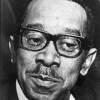
Kenneth Clark
Kenneth McKenzie Clark, Baron Clark OM CH KCB FBAwas a British author, museum director, broadcaster, and one of the best-known art historians and aesthetes of his generation, writing a series of books that appealed to a wide public, while remaining a serious scholar. In 1969, he achieved international fame as the writer, producer and presenter of the BBC Television series Civilisation, which pioneered television documentary series combining expert personalized narration with lavish photography on location...
NationalityBritish
ProfessionNovelist
Date of Birth13 July 1903
We must return the party to a more balanced position on Europe that can sensibly embrace a broad range of views,
William will carry on in his job is my personal prediction. But I don't think it's sensible at all to talk about these things.
To say that our troops are simply doing security patrols tells only half the story. They are helping residents recover belongings and they are reporting their concerns and needs to the appropriate authorities.
All great civilizations, in their early stages, are based on success in war.
People sometimes tell me that they prefer barbarism to civilization. I doubt if they have given it a long enough trial. Like the people of Alexandria, they are bored by civilization; but all the evidence suggests that the boredom of barbarism is infinitely greater.
Ruthless, greedy, tyrannical, disreputable they have had one principle worth all the rest, the principle of delight!
In time of war all countries behave equally badly, because the power of action is handed over to stupid and obstinate men.
Those who wish, in the interest of morality, to reduce Leonardo, that inexhaustible source of creative power, to a neutral or sexless agency, have a strange idea of doing service to his reputation.
Gargoyles were the complement to saints; Leonardo's caricatures were complementary to his untiring search for ideal beauty. And gargoyles were the expression of all the passions, the animal forces, the Caliban gruntings and groanings which are left in human nature when the divine has been poured away. Leonardo was less concerned than his Gothic predecessors with the ethereal parts of our nature, and so his caricatures, in their expression of passionate energy, merge imperceptibly into the heroic.
I wonder if a single thought that has helped forward the human spirit has ever been conceived or written down in an enormous room: except, perhaps, in the reading room of the British Museum.
Ruthless, greedy, tyrannical, disreputable... they have had one principle worth all the rest, the principle of delight!
A visual experience is vitalizing. Whereas to write great poetry, to draw continuously on one's inner life, is not merely exhausting, it is to keep alight a consuming fire.
We are part of a great whole. All living things are our brothers and sisters.
The great artist takes what he needs.