Philip Zimbardo
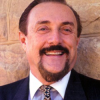
Philip Zimbardo
Philip George Zimbardois a psychologist and a professor emeritus at Stanford University. He became known for his 1971 Stanford prison experiment and has since authored various introductory psychology books, textbooks for college students, and other notable works, including The Lucifer Effect, The Time Paradox and The Time Cure. He is also the founder and president of the Heroic Imagination Project...
NationalityAmerican
ProfessionScientist
Date of Birth23 March 1933
CountryUnited States of America
Philip Zimbardo quotes about
That human behavior is more influenced by things outside of us than inside. The situation is the external environment. The inner environment is genes, moral history, religious training.
Boys are 30 percent more likely than girls to drop out of school. In Canada, five boys drop out for every three girls. Girls outperform boys now at every level, from elementary school to graduate school.
At North Hollywood High School, I was shunned by everyone. I would sit down in the cafeteria, and students would get up from the table and walk away. They thought I was from the Mafia.
Being hurt personally triggered a curiosity about how such beliefs are formed.
The [Stanford Prison Experiment] was readily approved by the Human Subjects Research committee because it seemed like college kids playing cops and robbers, it was an experiment that anyone could quit at any time and minimal safeguards were in place. You must distinguish hind sight from fore sight, knowing what you know now after the study is quite different from what most people imagined might happen before the study began.