Tacitus
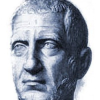
Tacitus
PubliusCornelius Tacituswas a senator and a historian of the Roman Empire. The surviving portions of his two major works—the Annals and the Histories—examine the reigns of the Roman emperors Tiberius, Claudius, Nero, and those who reigned in the Year of the Four Emperors. These two works span the history of the Roman Empire from the death of Augustus in AD 14 to the years of the First Jewish–Roman War in AD 70. There are substantial lacunae in the surviving texts,...
NationalityRoman
ProfessionHistorian
pain valor contempt
Valor is the contempt of death and pain.
struggle adversity affluence
Many who seem to be struggling with adversity are happy; many, amid great affluence, are utterly miserable.
rome empires great-empires
Great empires are not maintained by timidity.
hate power next
Rulers always hate and suspect the next in succession. [Lat., Suspectum semper invisumque dominantibus qui proximus destinaretur.]
may resentment shows
To show resentment at a reproach is to acknowledge that one may have deserved it.
ambition land greed
They have plundered the world, stripping naked the land in their hunger… they are driven by greed, if their enemy be rich; by ambition, if poor… They ravage, they slaughter, they seize by false pretenses, and all of this they hail as the construction of empire. And when in their wake nothing remains but a desert, they call that peace.
liberty
Corruptisima republica plurimae leges.
peace desert making-peace
They make a desert and call it peace.
peace war rome
A bad peace is even worse than war.
law suffering politics
Formerly we suffered from crimes; now we suffer from laws.
lost britain
Perdomita Britannia et statim omissa. Britain was conquered and immediately lost.
ignorance
Everything unknown is magnified. [Lat., Omne ignotum pro magnifico est.]
political
Corruptissima re publica plurimae leges.
men work-out ruins
A man in power, once becoming obnoxious, his acts, good or bad, will work out his ruin.