Tacitus
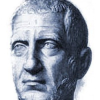
Tacitus
PubliusCornelius Tacituswas a senator and a historian of the Roman Empire. The surviving portions of his two major works—the Annals and the Histories—examine the reigns of the Roman emperors Tiberius, Claudius, Nero, and those who reigned in the Year of the Four Emperors. These two works span the history of the Roman Empire from the death of Augustus in AD 14 to the years of the First Jewish–Roman War in AD 70. There are substantial lacunae in the surviving texts,...
NationalityRoman
ProfessionHistorian
courage valor there-is-hope
In valor there is hope.
power legion
Legions and fleets are not such sure bulwarks of imperial power as a numerous family
men fame indolence
Other men have acquired fame by industry, but this man by indolence.
art years medicine
He (Tiberius) was wont to mock at the arts of physicians, and at those who, after thirty years of age, needed counsel as to what was good or bad for their bodies.
ultras dare cowardly
A cowardly populace which will dare nothing beyond talk. [Lat., Vulgus ignavum et nihil ultra verba ausurum.]
men quiet virtue
In stirring up tumult and strife, the worst men can do the most, but peace and quiet cannot be established without virtue.
age ancient
We extol ancient things, regardless of our own times. [Lat., Vetera extollimus recentium incuriosi.]
thinking hatred benefits
Benefits are acceptable, while the receiver thinks he may return them; but once exceeding that, hatred is given instead of thanks. [Lat., Beneficia usque eo laeta sunt dum videntur exsolvi posse; ubi multum antevenere pro gratia odium redditur.]
men escaping battle
To abandon your shield is the basest of crimes; nor may a man thus disgraced be present at the sacred rites, or enter their council; many, indeed, after escaping from battle, have ended their infamy with the halter.
corrupt numerous
The more corrupt the republic, the more numerous the laws.
burns eloquence excite feed matter motion requires
It is of eloquence as of a flame; it requires matter to feed it, and motion to excite it; and it brightens as it burns
hate human nature weakness whom
It is a weakness of your human nature to hate those whom you have wronged.
atrocity calling lay peace waste
When monarchs through their bloodthirsty commanders lay waste a country, they dignify their atrocity by calling it "Making Peace
boldly courage danger meet
If we must fall, we should boldly meet the danger.