John Ruskin
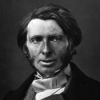
John Ruskin
John Ruskinwas the leading English art critic of the Victorian era, also an art patron, draughtsman, watercolourist, a prominent social thinker and philanthropist. He wrote on subjects as varied as geology, architecture, myth, ornithology, literature, education, botany and political economy. His writing styles and literary forms were equally varied. Ruskin penned essays and treatises, poetry and lectures, travel guides and manuals, letters and even a fairy tale. The elaborate style that characterised his earliest writing on art was later superseded...
NationalityEnglish
ProfessionWriter
Date of Birth8 February 1819
There's no music in rest, but there's the making of music in it. And people are always missing that part of the life melody, always talking of perseverance and courage and fortitude; but patience is the finest and worthiest part of fortitude, and the rarest, too.
Life without industry is guilt. Industry without Art is Brutality.
Your honesty is not to be based either on religion or policy. Both your religion and policy must be based on it. Your honesty must be based, as the sun is, in vacant heaven; poised, as the lights in the firmament, which have rule over the day and over the night.
Fit yourself for the best society, and then, never enter it.
Your labor only may be sold, your soul must not.
There is nothing so great or so goodly in creation, but that it is a mean symbol of the gospel of Christ, and of the things He has prepared for them that love Him.
To watch the corn grow, or the blossoms set; to draw hard breath over the plough or spade; to read, to think, to love, to pray are the things that make men happy.
In old times men used their powers of painting to show the objects of faith, in later times they use the objects of faith to show their powers of painting.
We were not sent into this world to do anything into which we cannot put our hearts.
Science is the knowledge of constant things, not merely of passing events, and is properly less the knowledge of general laws than of existing facts.
Science deals exclusively with things as they are in themselves.
Quality is never an accident; it is always the result of high intention, sincere effort, intelligent direction and skillful execution; it represents the wise choice of many alternatives, the cumulative experience of many masters of craftsmanship. Quality also marks the search for an ideal after necessity has been satisfied and mere usefulness achieved.
There are many religions, but there is only one morality.
Labour without joy is base. Labour without sorrow is base. Sorrow without labour is base. Joy without labour is base.